

Why Are Electric Bikes So Expensive in Pakistan?
An electric 70cc costs more than a Chinese petrol 70cc in Pakistan. Here is where the money goes: batteries, imported parts, duties, volume and after-sales.
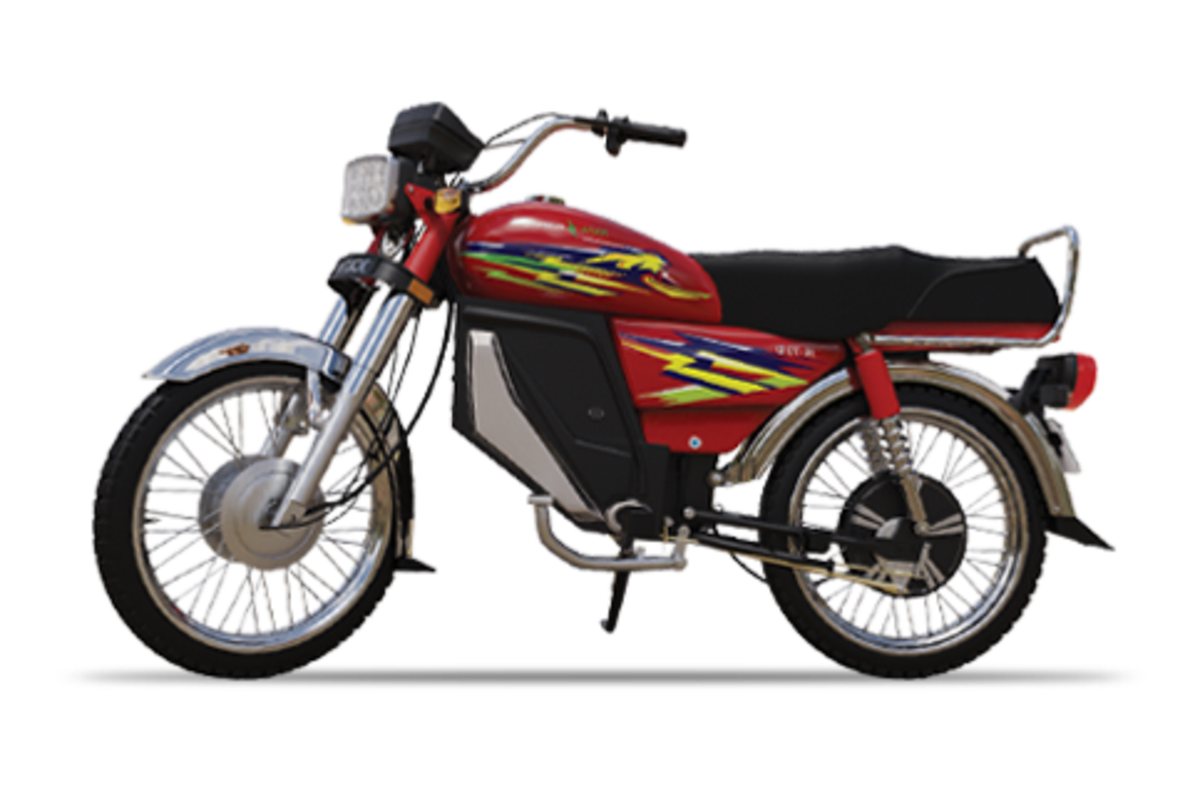
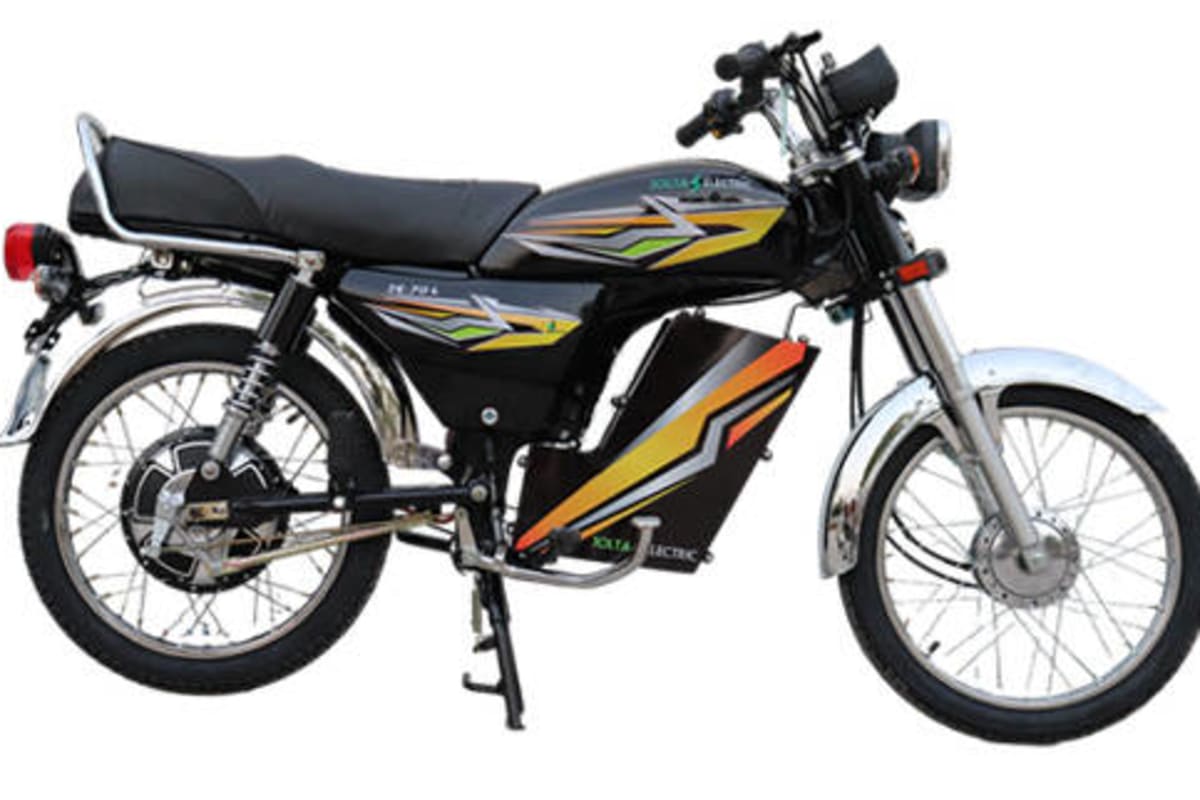
A Chinese petrol 70cc like the Metro MR 70 costs about Rs 1,12,000. An electric bike of the same shape and size, the Jolta JE-70D, costs Rs 1,49,900. A lithium version like the Jolta JE-70L is Rs 2,25,900.
An electric motor has far fewer moving parts than a petrol engine. There is no gearbox oil, no clutch plates, no piston. So why does the simpler machine cost more?
The short answer is the battery. The longer answer involves imported parts, customs duty, low sales volume and the cost of building a service network from scratch. Let us go through each one, because once you understand where the money goes, it becomes much easier to judge whether a particular electric bike is fairly priced.
1. The battery is most of the cost
On an electric bike, the battery does the job of the fuel tank and much of the engine at the same time. It is also the single most expensive part.
Globally, lithium-ion battery prices have been falling. BloombergNEF's 2025 survey put the average battery pack price at a record low of $108 per kWh, down 8 percent in a year. LFP (lithium iron phosphate) packs averaged $81 per kWh.
Now look at a typical scooter here. The Yadea T5 carries a battery of about 1.87 kWh. The Yadea Epoc-H has 2.73 kWh. Even at the global average price, the pack alone for a scooter like that is worth a couple of hundred dollars before it is shipped to Pakistan, taxed, fitted with a battery management system and given a warranty.
A petrol 70cc has nothing equivalent. Its fuel tank is a shaped piece of steel.
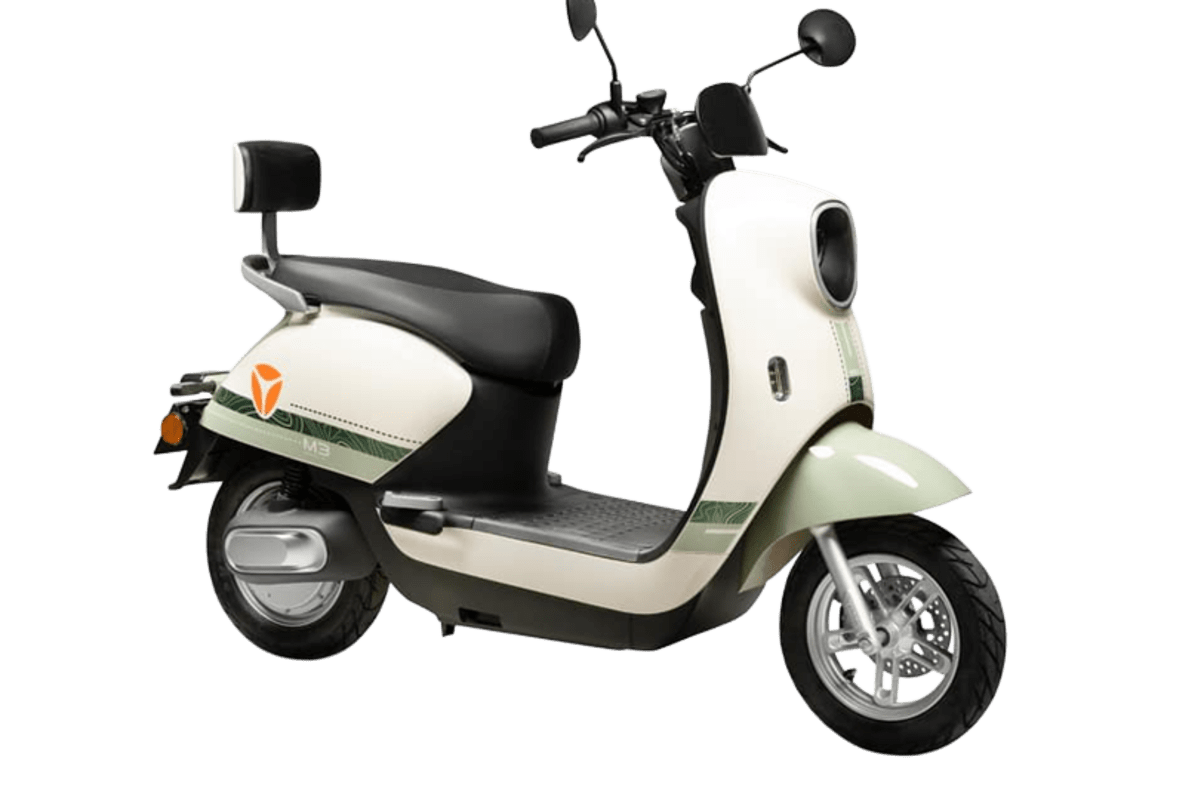
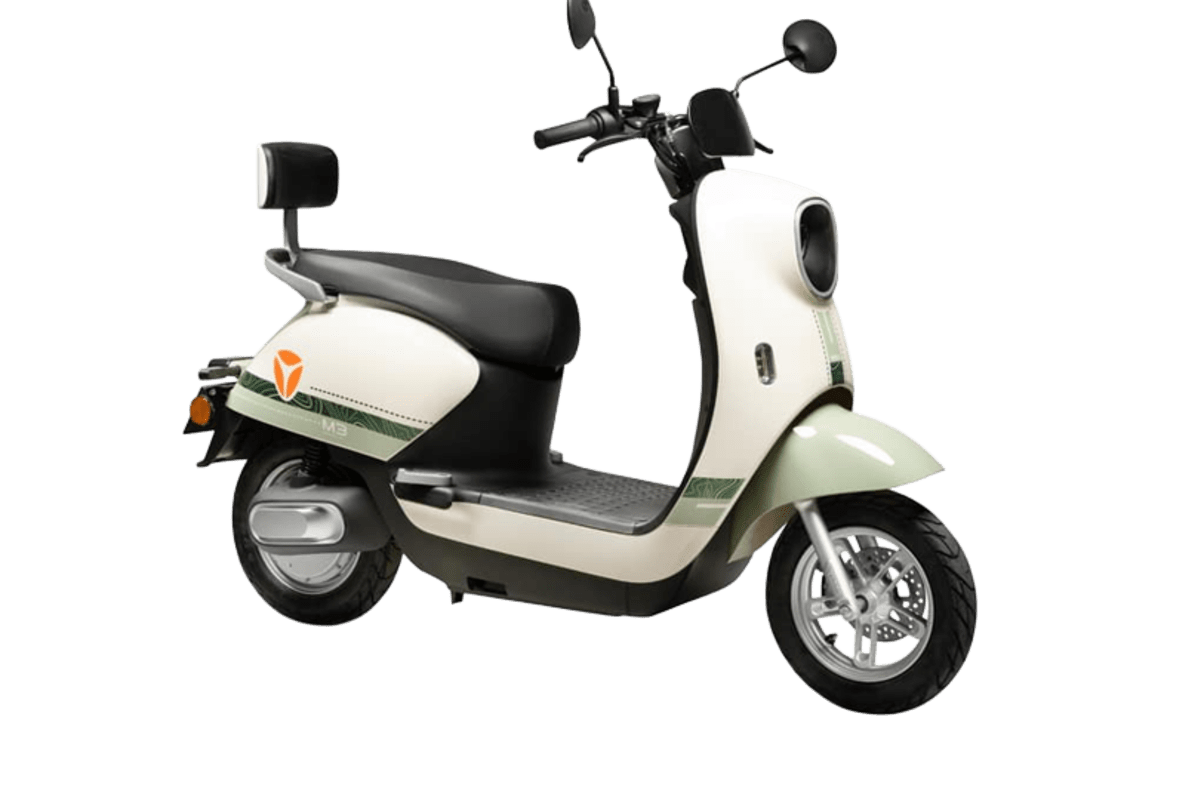
This is also why prices inside one brand jump so much between versions. Yadea's M3 costs Rs 1,74,000, while the lithium M3H is Rs 2,55,000. The scooter body is largely the same. The Rs 81,000 difference is mostly the battery.
Why cheaper batteries are not the whole answer
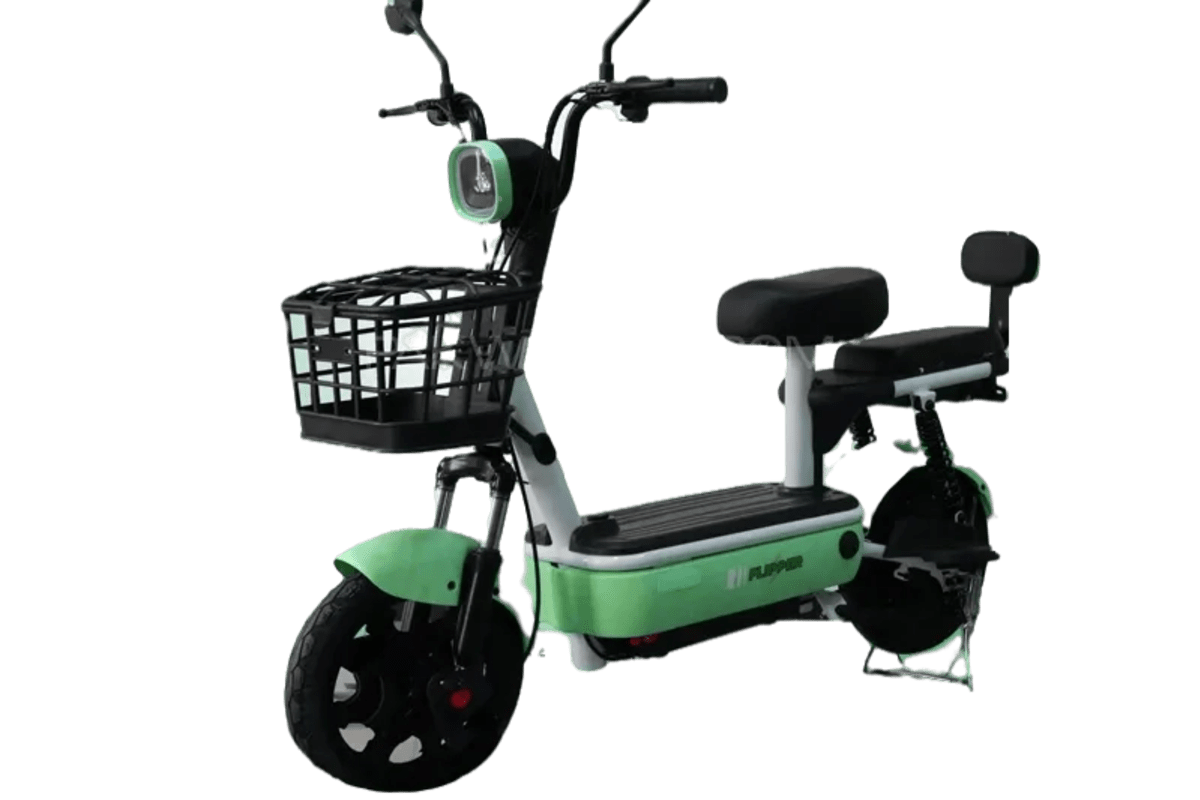
Some brands keep prices down by using lead-acid or graphene batteries instead of lithium. The Evee Flipper, at Rs 97,000, uses a 1.0 kWh lead-acid battery. That does make the scooty cheaper upfront, but lead-acid packs are heavy and wear out faster, so the buyer often pays again for a replacement within a couple of years. The cost does not disappear. It just moves to later.
2. Almost all the important parts are imported
Petrol 70cc bikes have been built in Pakistan for decades. Most of their parts, from the frame to the engine casing, are now made locally by hundreds of vendors. That local supply chain keeps costs low and protects prices from swings in the exchange rate.
Electric bikes do not have that yet. The battery cells, motor, controller and charger are mostly imported, largely from China. Local companies assemble the bikes from completely knocked down (CKD) kits, but the expensive parts still come from abroad and are paid for in dollars. When the rupee weakens, the cost of every electric bike goes up, even if nothing else has changed.
Experts quoted by The Express Tribune in July 2026 said local battery manufacturing, better charging infrastructure, skilled workers and reliable electricity are all needed for the industry to grow. Until batteries are made here, prices will stay tied to imports.
3. Customs duty and tax: a constant worry
Since July 2020, the key parts of electric bikes, including batteries, motors, chargers and converters, have been imported at a reduced customs duty of 1 percent. That concession was part of the Auto Industry Development Policy 2021 to 2026.
In 2025, PakWheels reported that the government had turned down a request to extend those exemptions, and that duty on EV bike parts could jump to 30 to 35 percent once the policy expired in June 2026. That would have pushed up the price of almost every electric bike in the country.
In the end, the 2026-27 budget kept customs duty concessions of around Rs 23.86 billion in place for CKD kits and EV parts, including locally assembled battery packs of up to 50 kWh. Final details still depend on FBR notifications and the new Auto Policy 2026 to 2031.
So the duty is low for now. But the uncertainty itself costs money. Manufacturers who do not know what tax they will pay next year tend to keep a cushion in their prices.
4. Low sales volume
A company like Honda sells huge numbers of CD 70s every year. When you make that many of one bike, the cost of tooling, design and testing is spread across a very large number of units, so each bike carries only a tiny share.
Electric bike brands in Pakistan sell far fewer units, and spread them across many models. SawariPK currently lists 332 electric bikes and scooters from 49 brands. That is a lot of choice for buyers, but it means each model sells in small numbers. Small numbers mean higher costs per bike for moulds, imports, marketing and dealer stock.
5. Building service networks costs money
When you buy a petrol bike, there is a mechanic on almost every road who can fix it. When you buy an electric bike, the brand has to train mechanics, stock controllers and motors, and handle battery warranty claims.
All of that is built into the price. Brands that offer longer warranties, like the 3-year LFP battery warranty on some models, are taking on risk that they have to price in. A PakWheels report on electric scooter owners found poor after-sales service to be one of the biggest complaints, so this cost is not one buyers should want brands to cut.
6. Graphene, lithium, LFP: you pay for battery quality
Not all batteries are equal, and price differences often reflect that.
Lead-acid: cheapest, heaviest, wears out fastest. Found on the very cheapest scooties.
Graphene: an improved lead-acid design. Cheaper than lithium, takes 5 to 8 hours to charge, often comes with an 18-month warranty.
Lithium / LFP: lighter, charges in about 2.5 to 4 hours on many models, lasts more cycles and often has a 3-year warranty.
A scooter with an LFP battery and a 3-year warranty will cost more than an almost identical one with graphene. In many cases, it is also the cheaper option over four or five years, because you avoid buying a replacement battery.
Are electric bikes actually expensive, though?
Here is the part that often gets missed. The sticker price is only half the story.
Petrol cost Rs 393.86 per litre in mid-October 2026. A 70cc petrol bike doing about 53 km per litre costs over Rs 7 per kilometre in fuel. Ride 1,000 km a month and that is around Rs 7,400 on petrol alone, before oil changes and tuning.
The Jolta JE-70D uses about 1.5 units of electricity for a claimed 70 km. Even at Rs 60 a unit, 1,000 km costs roughly Rs 1,300 in electricity.
That is a gap of about Rs 6,000 a month. At that rate, the Rs 37,900 price difference between the JE-70D and a Chinese petrol 70cc is recovered in around six or seven months of regular riding. Against a Honda CD 70 at Rs 1,59,900, the electric bike is actually cheaper to buy as well as to run.
We did a full month-by-month calculation in our post on electric bike vs Honda CD 70 running cost.
Will electric bike prices come down?
Probably, but slowly, and not in a straight line. A few things would help:
Global battery prices keep falling. BloombergNEF's data shows a steady long-term decline.
Local battery assembly grows. Budget 2026-27 specifically protected concessions on locally made battery packs.
More volume. As more people buy, costs per bike fall.
Subsidies. The PAVE scheme gives a Rs 50,000 subsidy on selected models, and the CM Punjab scheme offers interest-free financing with a subsidy of around 30 to 40 percent.
Things that could push prices up again: a weaker rupee, any increase in customs duty on parts, or a rise in global lithium prices.
How to avoid overpaying
Compare price per kWh of battery, not just price. A cheaper bike with a much smaller battery is not better value.
Check what kind of battery you are getting. Lead-acid, graphene and lithium are very different products.
Look at the warranty length. A 3-year battery warranty is worth real money.
Use subsidies if you qualify. Rs 50,000 off a Rs 2.5 lakh scooter is a 20 percent saving.
Compare models side by side on the SawariPK compare tool and check the full price list before you visit a showroom.
Frequently asked questions
Why is an electric bike more expensive than a petrol bike in Pakistan?
Mainly because of the battery, which is imported and costly. Electric bikes also rely on imported motors and controllers, sell in smaller numbers and need new service networks.
Is there customs duty on electric bike parts in Pakistan?
Key EV parts have been imported at a reduced duty since 2020, and Budget 2026-27 kept concessions on CKD kits and EV parts in place. Final rates depend on FBR notifications.
Will electric bikes get cheaper in Pakistan?
Likely over time, as battery prices fall and local assembly grows. But exchange rates and tax changes can push prices up in the short term.
Is a cheaper lead-acid electric scooty a good idea?
Only for short, light use. Lead-acid batteries wear out faster, so you may pay for a replacement sooner.
Does an electric bike save money overall?
For most daily riders, yes. With petrol near Rs 394 a litre, the monthly fuel saving is usually several thousand rupees.
Mentioned in this post
Writer
AdminComments (0)
No comments yet. Be the first to comment!
Leave a comment
Read next
PM PAVE Scheme: Which Bikes Are Included and Who Can Apply
Everything about the PM PAVE electric bike scheme: subsidy amount, eligible models, who can apply, how to register on pave.gov.pk and what changed in Phase 2.
How Many Units Does an Electric Bike Use per Charge?
How many electricity units does an electric bike or scooty use per full charge in Pakistan? Model-by-model figures, an easy formula and what it costs you.
Electric Bike Charging Cost per Month at LESCO Rates
How much does charging an electric bike add to a LESCO bill each month? Real examples by distance, tariff slab warnings and ways to keep the cost down.