

How Many Units Does an Electric Bike Use per Charge?
How many electricity units does an electric bike or scooty use per full charge in Pakistan? Model-by-model figures, an easy formula and what it costs you.
This is the first question almost everyone asks in an electric scooty showroom. Not "how fast does it go" or "what colours does it come in," but: how many units will it add to my bill?
It is the right question. In Pakistan, the number of units you use does not only decide the cost of charging. It can also push your whole household into a more expensive tariff slab.
The short answer is that most electric scooties and bikes in Pakistan use between 1 and 4 units for a full charge. The exact number depends on the size of the battery. Below we explain how to work it out for any model, and we list the figures for popular bikes on sale right now.
What is a "unit"?
One unit on your electricity bill is one kilowatt-hour (kWh). That is the energy used by a 1,000-watt appliance running for one hour.
So if a scooty battery stores 2 kWh of energy, charging it from empty to full takes roughly 2 units, plus a little extra lost as heat in the charger and battery.
The simple formula
You can work out the units for any electric bike in two steps.
Step 1: Find the battery size in kWh.
If the brochure gives voltage (V) and amp-hours (Ah), multiply them and divide by 1,000:
kWh = Volts × Amp-hours ÷ 1,000
For example, a 60V 32Ah battery: 60 × 32 ÷ 1,000 = 1.92 kWh.
Step 2: Add charging losses.
No charger is perfectly efficient. Some energy is lost as heat. A PakWheels explainer on batteries puts lead-acid efficiency at around 70 to 80 percent and lithium at 95 percent or more. As a rough rule:
Lithium / LFP battery: add about 5 to 10 percent
Graphene or lead-acid battery: add about 15 to 25 percent
So that 1.92 kWh graphene battery will draw roughly 2.2 to 2.4 units from the wall for a full charge from empty.
Units per charge: popular models
Here are the figures for bikes and scooters on sale in Pakistan. Where the company has published a figure for units per charge, we have used it. Otherwise we have calculated it from the battery size.
Model | Battery | Battery size | Units per full charge (approx.) |
|---|---|---|---|
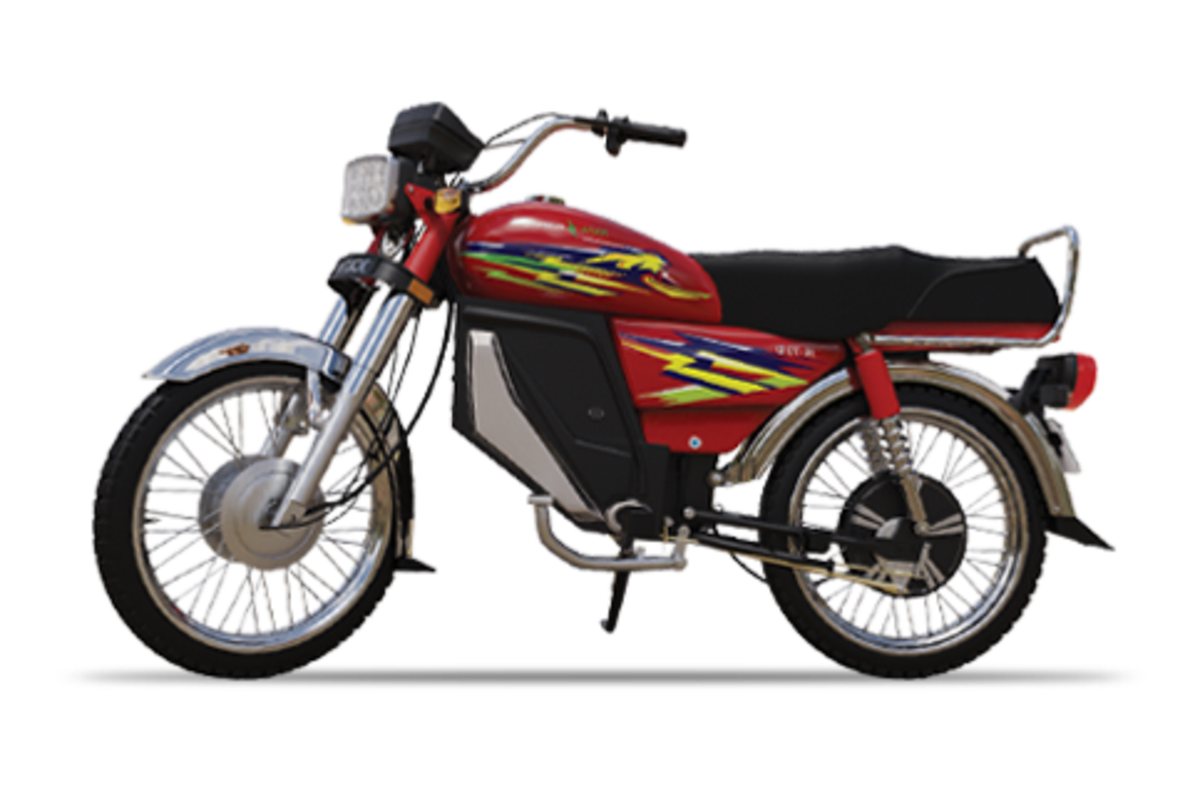
Lead-acid | 1.0 kWh | 1.2 to 1.3 | |
Graphene | 1.1 kWh | 1.3 to 1.4 | |
Graphene | 1.1 kWh | 1.3 to 1.4 | |
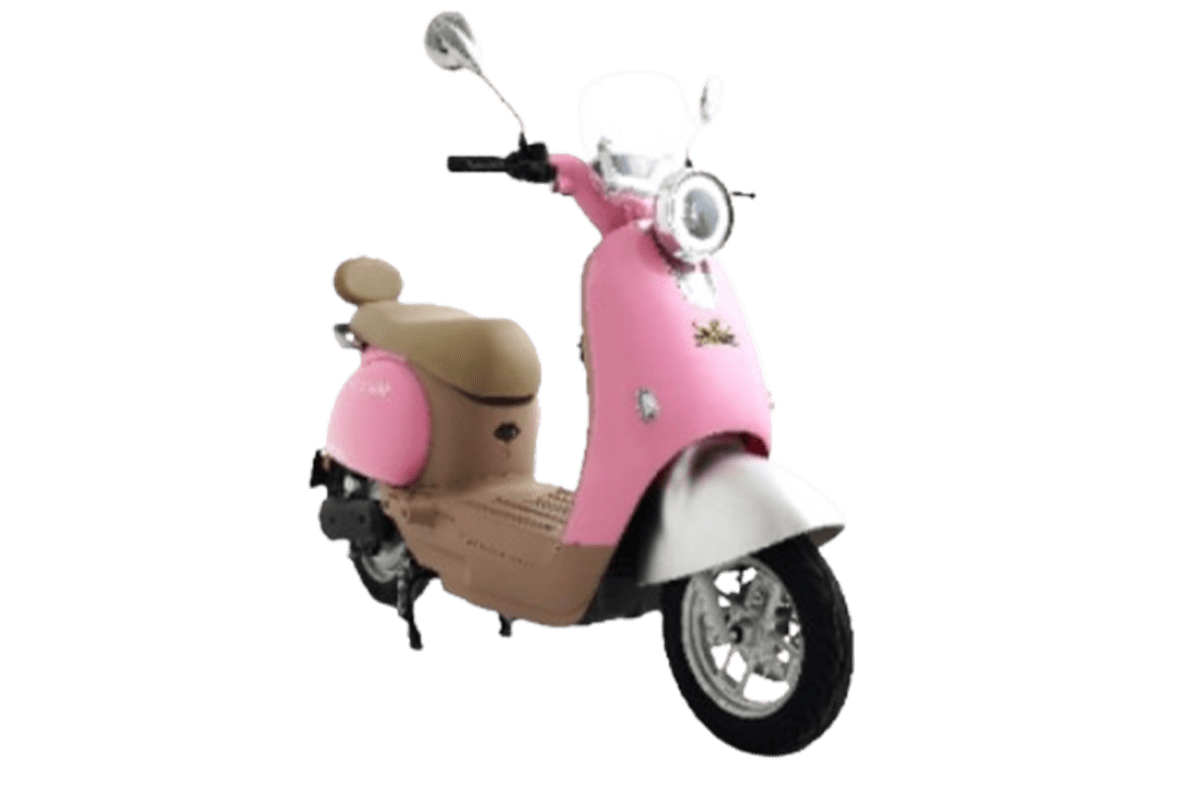
Revoo A09 | 48V 26Ah graphene | about 1.25 kWh | about 1.25 (company figure) |
Lithium | 20Ah pack | about 1.5 (company figure) | |
60V 28Ah graphene | 1.68 kWh | 2.0 to 2.1 | |
Graphene | 1.8 kWh | 2.1 to 2.2 | |
60V 32Ah graphene | 1.92 kWh | 2.2 to 2.4 | |
72V 26Ah graphene | 1.87 kWh | about 2.5 (company figure) | |
CM Punjab scheme scooter | 72V 30Ah LFP | 2.16 kWh | 2.3 to 2.4 |
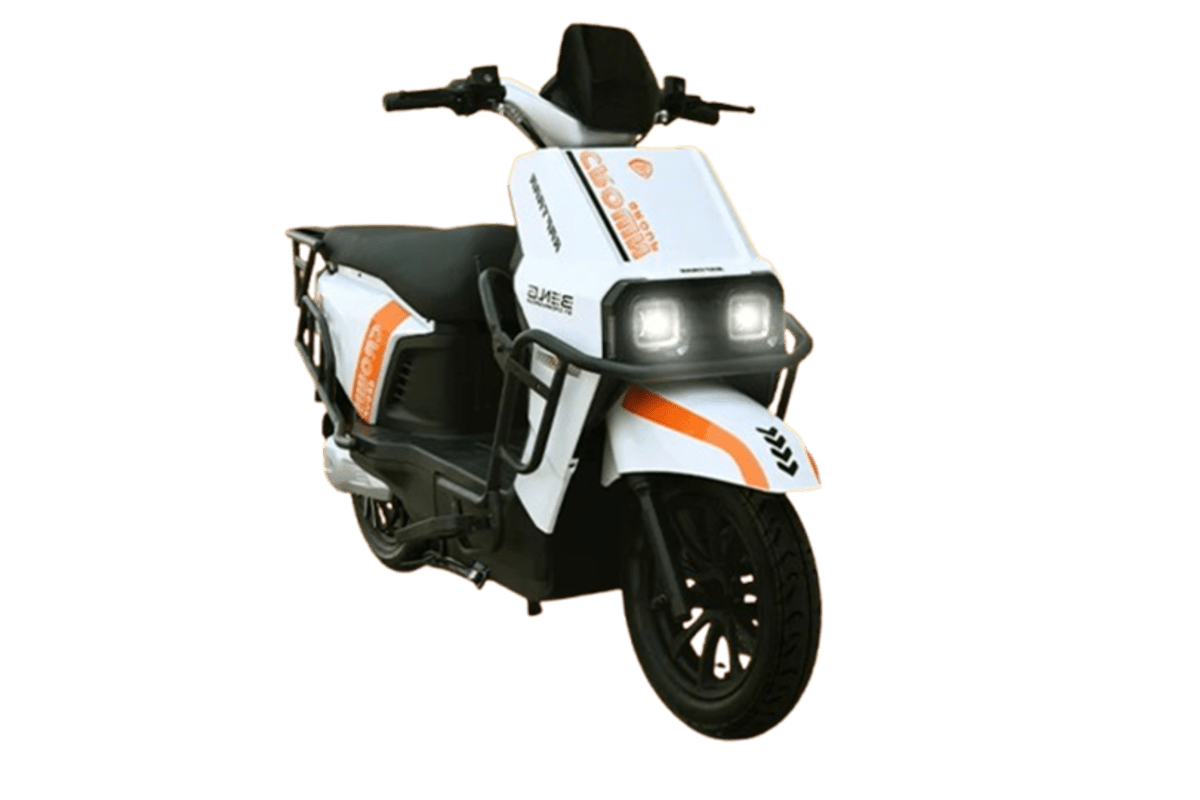
Graphene | 2.73 kWh | 3.1 to 3.4 | |
Lithium | 2.88 kWh | 3.0 to 3.2 | |
72V 54Ah | 3.89 kWh | 4.1 to 4.3 |
These are full charges from nearly empty. In real life, most people plug in when the battery is at 20 to 40 percent, so a normal overnight charge often uses less.
What does that cost?
The cost depends on your tariff. Most households in Lahore and other cities end up paying somewhere between Rs 45 and Rs 60 per unit once taxes and adjustments are included, though it varies a lot by slab and by whether you are a protected consumer.
At Rs 55 a unit, a full charge costs roughly:
Small scooty (1.2 to 1.4 units): Rs 65 to Rs 80
Mid-size scooty (2 to 2.5 units): Rs 110 to Rs 140
Large scooter or bike (3 to 4 units): Rs 165 to Rs 235
Compare that with petrol. At Rs 393.86 a litre in October 2026, a single litre costs more than a full charge on almost any electric scooty on sale.
Units per kilometre: the more useful number
Units per charge tells you about one charge. Units per kilometre tells you what your daily riding will actually cost.
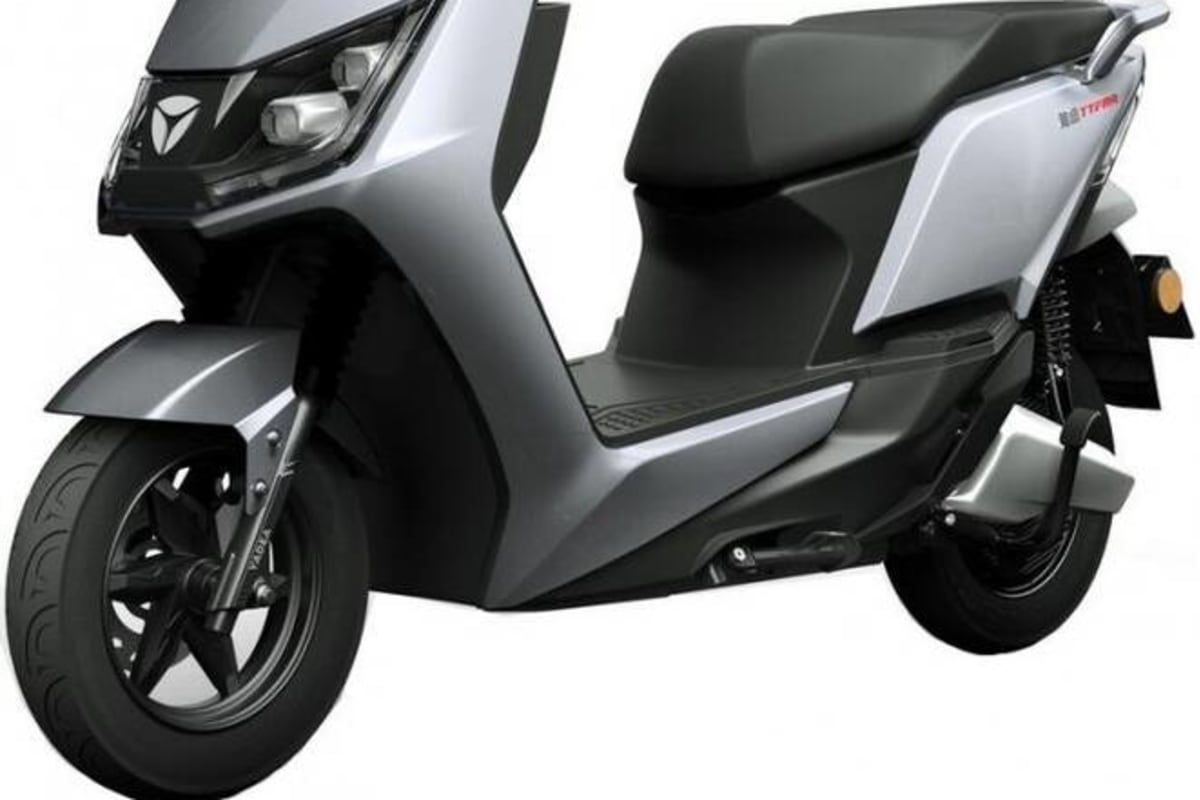
Take the Yadea T5. It uses about 2.5 units for a claimed 100 km. In real riding you might get around 70 to 75 km, so that is roughly 0.033 units per km. Ride 30 km a day and you use about 1 unit a day, or 26 to 30 units a month.
For the Jolta JE-70D, 1.5 units for a claimed 70 km works out to about 0.02 to 0.03 units per km in real use.
As a rough guide, most electric scooties in Pakistan use 0.02 to 0.04 units per kilometre. That means:
Monthly distance | Units per month (approx.) |
|---|---|
500 km | 10 to 20 units |
1,000 km | 20 to 40 units |
1,500 km | 30 to 60 units |
Watch out for the slab jump
This is the part most people miss.
In Pakistan, residential tariffs are charged in slabs. If you are a protected consumer (using up to 200 units a month), you get much lower rates. If adding a scooty pushes you over that line, you can lose protected status, and the rate on every unit in your house can jump.
Even for unprotected consumers, crossing into a higher slab raises the rate. A LESCO bill calculator example shows how big this can be: the total bill for 301 units comes out noticeably higher than for 300 units.
So before you buy, check your last six bills:
If you are comfortably below a slab limit, 20 to 40 extra units a month may not matter much.
If you are just under a limit, charging could cost you far more than the scooty's own units.
We explain this in more detail in our post on electric bike charging cost at LESCO rates.
How to use fewer units
Ride smoothly. Hard acceleration drains the battery faster.
Keep tyres properly inflated. Soft tyres increase resistance.
Use eco mode if your scooty has one.
Do not overcharge. Unplug once it is full, unless your charger cuts off on its own.
Use the right charger. A poor-quality charger wastes energy and can damage the battery. Dealers quoted by APP in September 2026 said buyers often overlook the charger.
Charge from solar during the day if you have panels. See our post on charging an electric bike on solar.
Frequently asked questions
How many units does an electric scooty use per charge in Pakistan?
Most use between 1.2 and 2.5 units for a full charge. Larger scooters and bikes can use 3 to 4 units.
How many units does a Yadea T5 use?
About 2.5 units for a full charge, according to Yadea.
How many units does the Jolta JE-70D use?
About 1.5 units for a full charge, according to the company.
How do I calculate units for any electric bike?
Multiply battery volts by amp-hours, divide by 1,000 to get kWh, then add 5 to 25 percent for charging losses depending on the battery type.
Will an electric bike increase my electricity bill a lot?
Usually by 20 to 40 units a month for regular riders. The bigger risk is crossing into a higher tariff slab.
Sources
Yadea / PakWheels: T5 launch, 2.5 units per charge
Gari.pk: Jolta JE-70D, 1.5 units per charge
ProPakistani: Revoo A09, 1.25 kWh per charge
PakWheels: Dark truth of graphene batteries
PakWheels: Yadea T5, Ruibin, Epoc-H, Crown Raftaar
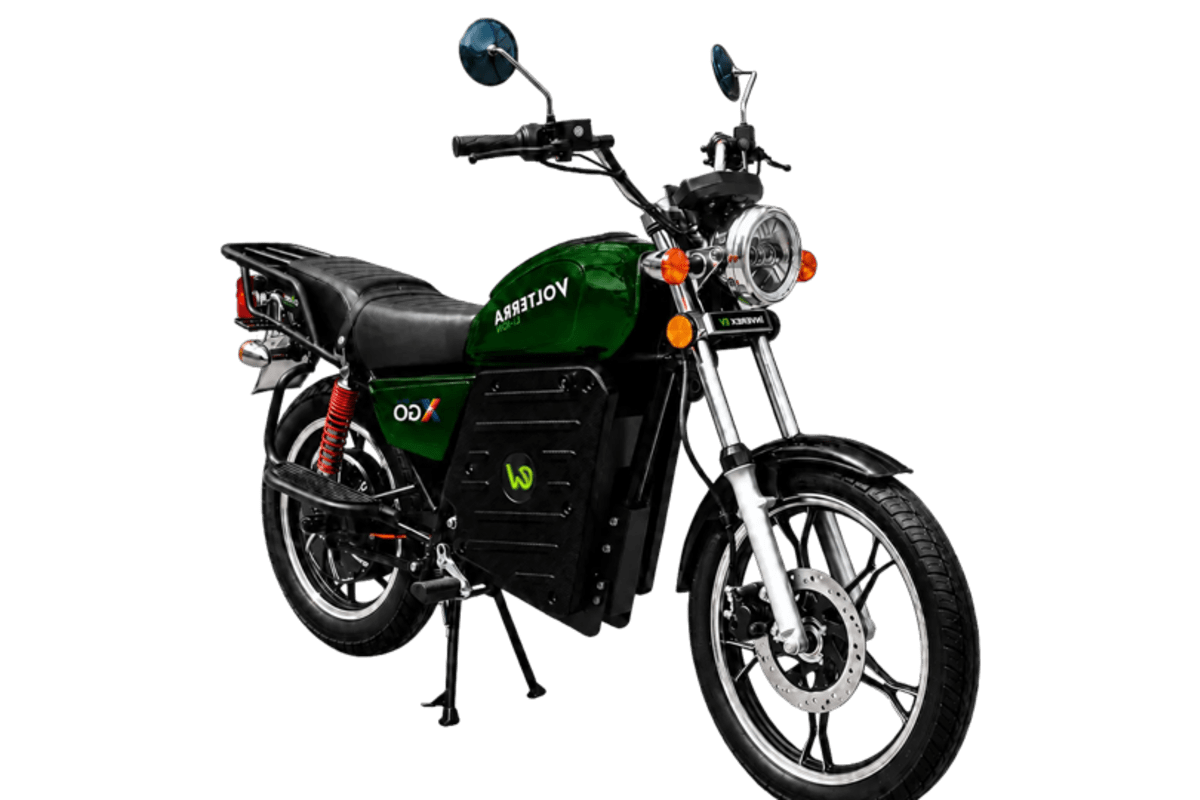
Gari.pk: Inverex GO Volterra
ToolsFluent: LESCO bill worked examples 2026-27
APP: Electric scooty boom turns into a repair nightmare
Pak Observer: Petrol price October 15, 2026
Mentioned in this post
Writer
AdminComments (0)
No comments yet. Be the first to comment!
Leave a comment
Read next
Electric Bike on Installments in Pakistan: Banks and Plans Compared
Compare electric bike installment plans in Pakistan: Bank Alfalah, Meezan Apni Bike, dealer plans, Daraz and government schemes. What you really pay.
Electric Bike Charging Cost per Month at LESCO Rates
How much does charging an electric bike add to a LESCO bill each month? Real examples by distance, tariff slab warnings and ways to keep the cost down.
Can You Charge an Electric Bike on Solar Panels?
Yes, you can charge an electric bike or scooty on solar in Pakistan. How many panels you need, which inverter works, daytime charging tips and safety.