

Charging Your E-Bike During Load Shedding: What Works
Load-shedding and an electric bike? Practical ways to keep charged in Pakistan: timing, UPS limits, solar, fast-charging batteries, swapping and voltage protection.
Every electric bike owner in Pakistan has had this moment. You plug in the scooty at night, wake up, and find the battery at 40 percent because the power was off for four hours.
Load-shedding is the most common worry people raise before buying an electric bike, and it is a fair one. An owner quoted by The Express Tribune in July 2026 said his monthly fuel bill dropped from around Rs 12,000 to about Rs 2,500 after switching, but load-shedding made charging difficult and left him worried about range on longer trips.
The good news is that it is manageable. Here is what actually works, what does not, and how to set things up so a power cut does not leave you stranded.
First, know your numbers
Before you plan around load-shedding, you need two figures:
How long your scooty takes to charge. Graphene batteries usually take 5 to 8 hours. LFP batteries on many scooters take about 2.5 to 4 hours.
How much range you need each day. If you ride 25 km a day and your scooty does 60 km in real use, you do not need a full charge every night.
Once you know these, load-shedding becomes a scheduling problem rather than a crisis.
What works
1. Charge around the schedule
LESCO, IESCO, K-Electric and other DISCOs publish load-shedding schedules for most feeders. Even when the schedule is not followed exactly, it gives you a pattern.
Plug in as soon as power returns after a scheduled cut
If your area has power from, say, 10 pm to 2 am, that four-hour window is enough for an LFP battery or a big top-up on graphene
Use a timer plug or simply set a phone reminder
2. Do not wait for the battery to empty
Many people only charge when the scooty is almost flat. During load-shedding season, that is a mistake. Top up whenever you have power, even for an hour or two.
Mechanics also say this is better for the battery. A mechanic interviewed by APP in September 2026 warned against repeatedly letting the battery fall to a very low charge.
3. Choose a fast-charging battery
If you have not bought yet and load-shedding is a big problem in your area, this is the most useful decision you can make.
Graphene: about 5 to 8 hours for a full charge
LFP: about 2.5 to 4 hours on many models
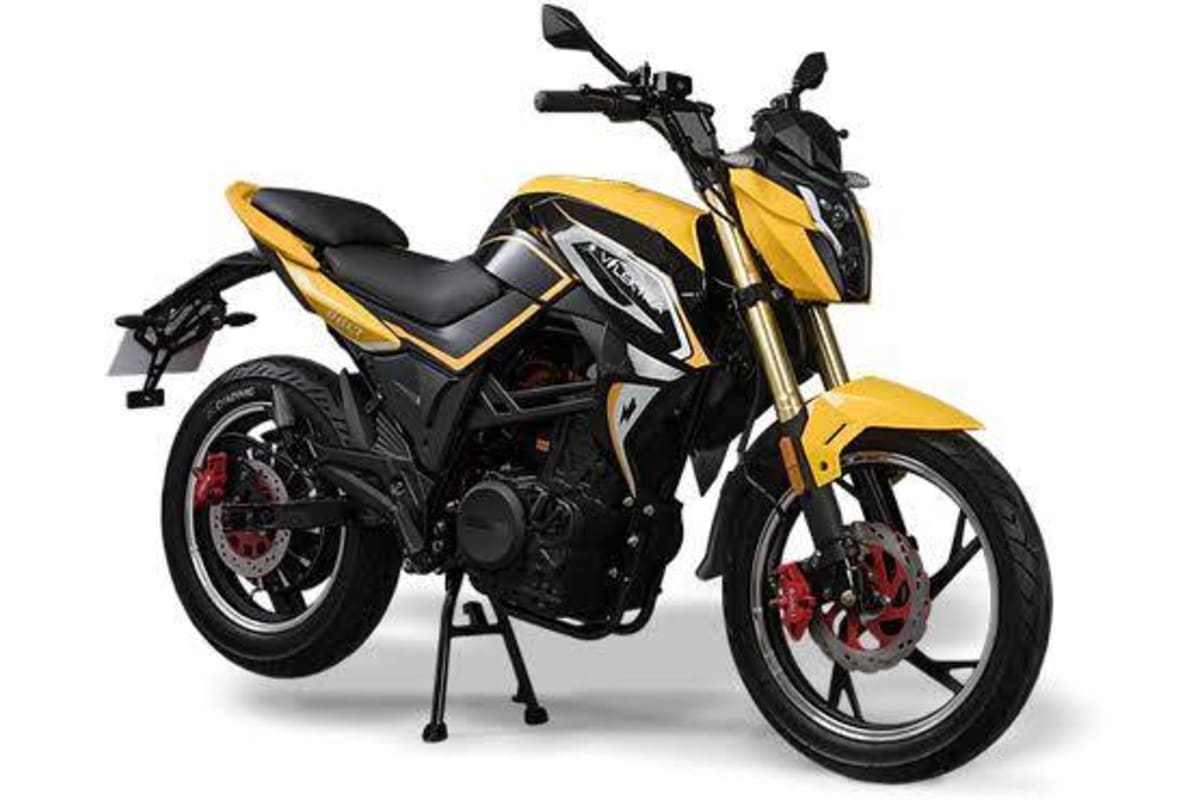
A 3-hour charge fits easily into most power windows. A 7-hour charge often does not. The Jolta JE-70D, for example, charges in about 3 hours. Many LFP scooters like the Vlektra Bolt charge in around 3 to 3.5 hours.
4. Charge at work or college
If your office, shop or college has generator or solar backup, ask if you can plug in during the day. Many workplaces already allow it.
5. Use solar
If you have home solar, daytime charging is not affected by grid load-shedding at all on a hybrid or off-grid system. Even an on-grid system can help if the inverter supports backup mode. See our guide on charging an electric bike on solar panels.
6. Battery swapping
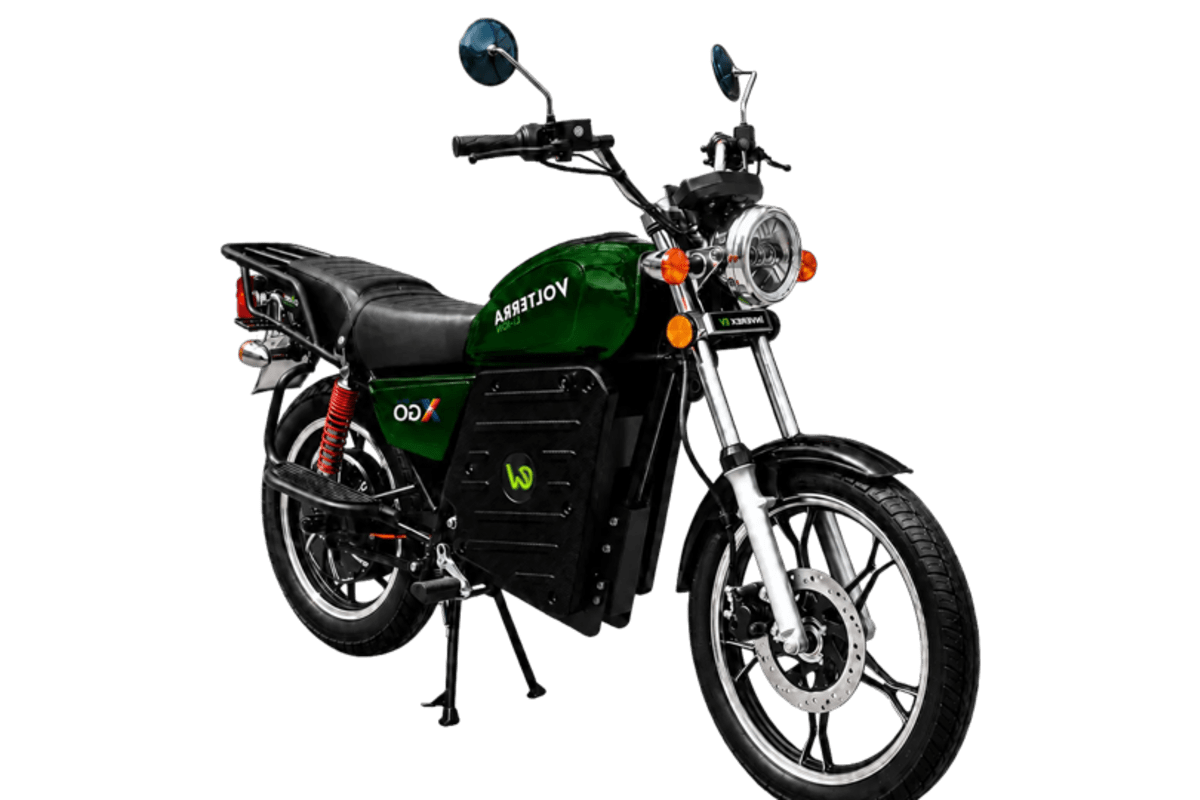
Some newer bikes are built around swappable batteries. The Inverex GO Volterra Swap, for example, is designed for a battery swap in about 30 seconds at a swap station. If there is a station near you, load-shedding at home stops mattering much. Check the network before you buy.
What sort of works: UPS and inverter batteries
Many homes in Pakistan already have a UPS with a battery for fans and lights. Can it charge a scooty? Sometimes, but with limits.
The power limit: Your UPS must be able to supply the charger's wattage, usually 300 to 900 watts, on top of whatever else is running. A small 1,000-watt UPS running fans and lights may struggle.
The energy limit: This is the bigger problem. A common home UPS battery is a 12V 200Ah tubular battery. That stores about 2.4 kWh on paper, but lead-acid batteries should not be drained much below half, so you get roughly 1.2 kWh of usable energy.
A mid-size scooty needs about 2 to 2.5 units for a full charge. So a single UPS battery can only give your scooty a partial top-up, and doing that will drain the power you need for fans.
When it makes sense: A short top-up from the UPS before an important trip. Not as your main way of charging.
What does not work (and can cause damage)
Cheap chargers and generators with unstable output
Small petrol generators can produce unstable voltage. Some scooty chargers handle it fine, others do not. If you use a generator, make sure it has good voltage regulation, and never run it indoors.
Charging with a poor-quality replacement charger
Dealers quoted by APP said many buyers spend a lot on the scooty and battery but compromise on the charger. A bad charger, especially one combined with unstable power, can damage the battery and shorten its life.
Leaving the scooty plugged in during voltage swings
When power returns after load-shedding, there can be a voltage spike. If your area is known for this, consider:
Plugging in a few minutes after power returns
Using a surge protector or a properly rated voltage stabiliser between the socket and charger
A simple charging plan for load-shedding season
Here is a routine that works for most riders:
Know your daily range need. Example: 30 km a day.
Know your real range. Example: 60 km per full charge.
Charge whenever power is on in the evening, even for 2 to 3 hours.
Aim to keep the battery between 30 and 90 percent most days.
Do a full charge once or twice a week, when you know you will have a long power window.
Keep a backup plan for days with very long cuts: charge at work, borrow a socket with backup, or plan a shorter route.
Buying advice if load-shedding is bad in your area
If you live somewhere with long daily power cuts, think about:
An LFP battery for faster charging
A scooty with more range than you need, so one missed charge does not stop you
A swappable battery if a swap network exists near you
Solar at home, if you were already considering it
You can filter by battery type and compare charging times on the SawariPK compare tool.
Frequently asked questions
Can I charge my electric bike during load-shedding?
Only if you have backup power, such as solar with batteries, a UPS or a generator. Otherwise, charge whenever grid power is available.
Can a UPS charge an electric scooty?
It can give a partial top-up if it can supply the charger's wattage, but a typical home UPS battery does not hold enough energy for a full scooty charge.
Which battery is best for areas with load-shedding?
LFP batteries, because they usually charge in 2.5 to 4 hours, compared with 5 to 8 hours for graphene.
Does load-shedding damage the battery?
Interrupted charging does not usually damage the battery. Voltage spikes and poor chargers can, so use the original charger and consider surge protection.
Is battery swapping available in Pakistan?
Some brands, like Inverex GO, have launched swappable-battery bikes. Availability depends on the swap network in your city.
Sources
The Express Tribune: E-bikes face major logistical challenges
APP: Electric scooty boom turns into a repair nightmare
MS Jaguar: Graphene vs LFP battery
Gari.pk: Jolta JE-70D
PakWheels: Vlektra Bolt
Gari.pk: Inverex GO Volterra Swap
PakWheels: Major issues after owning EV scooters
Mentioned in this post
Writer
AdminComments (0)
No comments yet. Be the first to comment!
Leave a comment
Read next
How Many Units Does an Electric Bike Use per Charge?
How many electricity units does an electric bike or scooty use per full charge in Pakistan? Model-by-model figures, an easy formula and what it costs you.
Electric Bike Charging Cost per Month at LESCO Rates
How much does charging an electric bike add to a LESCO bill each month? Real examples by distance, tariff slab warnings and ways to keep the cost down.
Can You Charge an Electric Bike on Solar Panels?
Yes, you can charge an electric bike or scooty on solar in Pakistan. How many panels you need, which inverter works, daytime charging tips and safety.