

Can You Charge an Electric Bike on Solar Panels?
Yes, you can charge an electric bike or scooty on solar in Pakistan. How many panels you need, which inverter works, daytime charging tips and safety.
Pakistan has gone solar in a big way. Drive through any residential area in Lahore, Karachi or Multan and you will see panels on rooftop after rooftop. So it is no surprise that one of the most common questions from electric bike buyers is: can I charge it on solar?
Yes, you can. And if you already have a solar system at home, it is one of the smartest things you can do. It can bring your charging cost close to zero and keep your scooty running even during load-shedding, if your setup allows it.
But there are a few things to get right. Here is a plain explanation of how solar charging works, what kind of system you need, and the mistakes to avoid.
How much power does a scooty charger need?
This is the good news. Electric scooty chargers are small.
You can estimate a charger's power from how many units it uses and how long it takes:
Jolta JE-70D: about 1.5 units in about 3 hours, so roughly 500 watts
MS Jaguar Miso: about 2 units in 5 to 6 hours, so roughly 350 to 400 watts
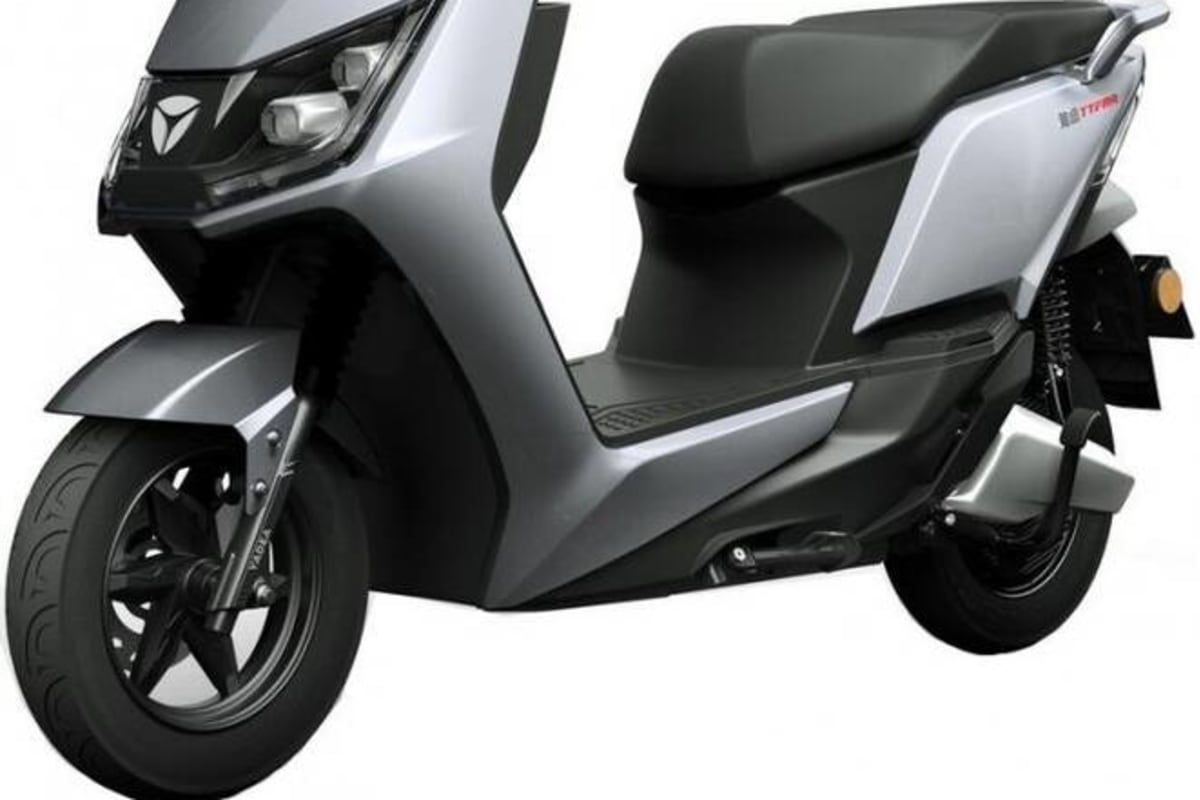
Yadea T5: about 2.5 units in about 6 hours, so roughly 400 watts
LFP scooters with 2.5 to 3 hour charging: often 700 to 900 watts
Most standard scooty chargers draw 300 to 900 watts. That is less than an electric iron, and far less than an air conditioner. Almost any home solar system can handle it.
Three ways to charge on solar
1. Through your existing home solar system (most common)
If your house already has solar panels and an inverter, you simply plug the scooty charger into a normal socket while the sun is shining. The inverter supplies the power.
On-grid system (with net metering): During the day, your panels power the house first. If they are producing more than you are using, the extra goes to the grid. Charging your scooty at midday uses some of that extra power instead. On cloudy days or at night, the charger draws from the grid and you pay normal rates.
Hybrid system (with batteries): Works like on-grid during the day. At night or during load-shedding, the charger can draw from your inverter's battery bank, as long as there is enough stored energy.
Off-grid system: Everything runs from panels and batteries. You can charge, but you need to make sure your batteries have enough capacity for the scooty and the house.
2. A small dedicated solar setup
If you do not have home solar, you can set up a small system just for charging. Modern solar panels are often rated around 500 to 600 watts each. In good sunlight, a small system of two panels with a suitable inverter can comfortably charge most scooties in a day.
The cost of a panel, inverter and wiring may not be worth it just for a scooty. But if you were already thinking about solar for fans and lights, adding the scooty makes the case stronger.
3. Charging directly from panels without an inverter
Some people try to connect a scooty battery directly to solar panels using a DC charge controller. We do not recommend this for regular users. Scooty batteries, especially lithium and LFP packs, need the correct charging voltage and current. Getting it wrong can damage the battery, void your warranty or create a fire risk. Use the charger that came with your scooty.
How much solar do you need?
Here is a rough way to think about it.
In Pakistan, a solar system in good weather produces roughly 4 to 5 units per day for every 1 kW of panels, and less in winter, fog and smog.
A typical commuter uses about 1 to 1.5 units a day for their scooty (based on 30 to 40 km of riding). So you need roughly 300 to 400 watts of solar capacity dedicated to the scooty to cover daily charging in good weather.
If you already have a 3 to 5 kW home system, the scooty is a small addition. Most families will barely notice it.
The big question: when should you charge?
Charge during the day if you can. That is when your panels are producing power. Midday, roughly 10 am to 3 pm, is best.
This can be a problem if you ride the scooty to work or college during the day. Some options:
Charge at home on weekends and on days you are home
Charge when you return in the afternoon, if there is still sunlight
Top up partially during lunch if you come home
Use a hybrid system's battery to charge in the evening
Benefits of solar charging
Near-zero running cost. Once your solar system has paid for itself, the energy for your scooty is essentially free. As the TYN Magazine piece on Pakistan's switch to electric put it, families charging on solar are bringing their charging cost close to zero.
Protection from tariff slabs. Charging from solar does not add to your grid units, so it will not push your house into a higher LESCO or K-Electric slab.
Backup during load-shedding. A hybrid or off-grid system with batteries can keep you charging when the grid is down. We explain more in our post on charging during load-shedding.
Better use of your solar. If your system produces more than you use during the day, the scooty soaks up the extra.
Things to be careful about
Inverter capacity. Check that your inverter can handle the charger's load along with whatever else is running. A 500-watt charger plus an AC plus a fridge may be too much for a small inverter.
Battery drain on hybrid systems. Charging a scooty at night from your inverter's batteries can drain them quickly. A 2-unit scooty charge is a big draw for a small home battery bank. You might be left without power for fans later.
Earthing and wiring. Make sure your solar installation is properly earthed and the socket you use is in good condition. Avoid extension boards for long charging sessions.
Heat. Do not charge your scooty in direct afternoon sun. Park it in shade while charging, especially in summer. Battery heat reduces lifespan.
Use the original charger. Always. A cheap replacement charger is one of the most common causes of battery problems, according to mechanics and dealers interviewed by APP.
Is it worth buying solar just for an electric bike?
Probably not, on its own. A scooty only uses 20 to 40 units a month. At Rs 50 a unit, that is Rs 1,000 to Rs 2,000 a month in grid electricity.
But if you are already planning solar for the house, the scooty is a strong bonus. Together, they can cut both your electricity bill and your transport cost.
Frequently asked questions
Can I charge my electric scooty on solar panels?
Yes. Plug the scooty's charger into a socket powered by your solar inverter during daylight hours.
How many solar panels do I need to charge an electric bike?
About 300 to 400 watts of solar capacity covers a typical daily commute in good weather. One modern panel is often enough.
Can I charge at night on solar?
Only if you have a hybrid or off-grid system with batteries, and they have enough stored energy.
Is it safe to connect a scooty battery directly to solar panels?
We do not recommend it. Use the original charger through an inverter to protect the battery and your warranty.
Will solar charging stop me crossing into a higher electricity slab?
Yes, because daytime solar charging does not add grid units.
You can compare scooties by battery size and charging time on the SawariPK compare tool to pick one that fits your solar setup.
Sources
Gari.pk: Jolta JE-70D charging
MS Jaguar: Miso specifications
PakWheels: Yadea T5
MS Jaguar: Graphene vs LFP charging times
TYN Magazine: Why Pakistani riders are moving to electric
APP: Electric scooty boom turns into a repair nightmare
Mentioned in this post

Writer
AdminComments (0)
No comments yet. Be the first to comment!
Leave a comment
Read next
How Many Units Does an Electric Bike Use per Charge?
How many electricity units does an electric bike or scooty use per full charge in Pakistan? Model-by-model figures, an easy formula and what it costs you.
Electric Bike Charging Cost per Month at LESCO Rates
How much does charging an electric bike add to a LESCO bill each month? Real examples by distance, tariff slab warnings and ways to keep the cost down.
Charging Your E-Bike During Load Shedding: What Works
Load-shedding and an electric bike? Practical ways to keep charged in Pakistan: timing, UPS limits, solar, fast-charging batteries, swapping and voltage protection.